
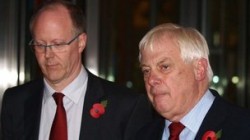
Polaris Director Ben Pinnington reviews the mishandling of the Newsnight crisis which led to the departure of George Entwistle.
In November last year the BBC gave an object lesson in how not to handle a crisis. The corporation was rocked to its foundations after its leading news and current affairs programme Newsnight made false accusations against Tory peer of Lord McAlpine. The subsequent departure of George Entwistle as BBC Director General was made all the more surprising by the fact he headed a news media organisation. The BBC should know what to do when engulfed by a bad story. However, Entwistle made a number of basic crisis management errors which reflected so badly on him he had to resign.
The starting point for handling bad news is: don’t bury your head in the sand. Respond efficiently and quickly. Talk to the media. Put your side of the story with confidence. Make sure reporting is accurate and factual.
An episode of Newsnight on the Friday before Entwistle’s departure made for painful viewing. The lead story was: Newsnight in crisis after wrongly accusing a former politician of child abuse. However, the presenter Eddie Mair, who is not one of the main faces of the programme, had to concede: no-one from the BBC was available for comment. The anguished look on his face said it all. A programme reporting itself cannot find a senior member of staff to put its side of the story? That straight away should have set alarm bells ringing for Entwistle, who had already been too low profile during the crisis. If he had been in control of the story he or a senior executive should have been put up to answer questions and critically build confidence by saying what was being done. This was Entwistle’s moment to show he was in command, instead the head was in the sand.
Then the following day the mishandling was compounded further when Entwistle eventually did front up and went on the Today programme. However, he floundered in the heat of questioning from John Humphries. He admitted he had not read a newspaper article revealing the case of mistaken identity involving Lord McAlpine, and that he had not seen the Newsnight broadcast when it aired on 2 November as he “was out”. The message was clear: he was asleep at the wheel. This was the worst outcome and could and should have been avoided.
Broadcast interviews are about the three Ps: preparation, preparation, preparation. Get your messages right, do your homework, rehearse – especially when you are going head to head with an adversarial interviewer. Entwistle astonishingly did not do this and it was the straw that broke the camels’ back.
Perhaps the Newsnight team, after being so scathing to others caught in a crisis, now appreciate the skill required to handle them competently. It seems the BBC, which provides such an important and usually excellent news service, still has some way to go in mastering crisis management.