
The maritime industry is under the spotlight like never before for the damage it causes to the environment.
Here in the United States, port operations have been found to impact surrounding communities and release pollution in the air, water, and land.
As the U.S. Environmental Protection Agency (EPA) puts it: “Port authorities and other port operators have an important role to play in mitigating disproportionately high and adverse impacts to human health or the environment resulting from port projects and operations”.
Sustainability Consultancy Tunley Environmental, which recently produced a detailed net zero carbon emissions strategy for Detroit/Wayne County Port Authority, is seeing increasing demands from ports around the U.S. to create plans for greater sustainability, especially with significant funding opportunities provided plans are put in place in good time.
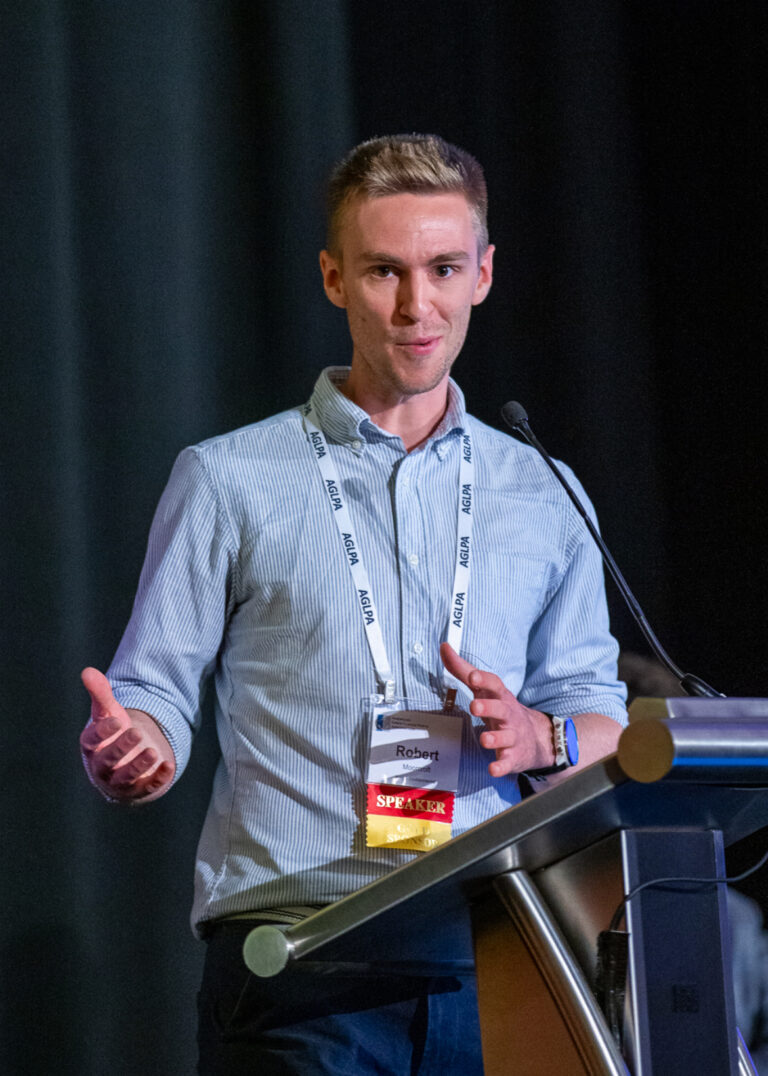
Tunley Environmental senior carbon reduction scientist Dr Robert Moorcroft, who led the Detroit/Wayne County project, says America is starting to catch up with the likes of the European Union and the United Kingdom in its focus on port sustainability.
“In the past, America might not have been as interested in taking action to improve port sustainability as some other regions of the world but today there is more and more appetite, particularly in the Midwest. There is increasing pressure from local communities as well as from consumers who are demanding action.
“The EPA is currently considering applications for its $3 billion of grants to fund zero-emission port equipment and infrastructure as well as climate and air quality planning at U.S. ports. The results will be announced in September.
“There are other initiatives and funding sources that help ports tackle environmental and health impacts on surrounding communities. But the funding windows are often short, so it is vital that sustainability plans are put in place. At Tunley we are receiving an increasing number of calls asking us to come and assess current outputs and help create those plans.”
Such is the growth in interest that Tunley has announced its third successive year of turnover growth in excess of 50 per cent. At the heart of Tunley’s success has been its expertise in working with maritime and ports clients around the world, accounting for more than a third of total turnover.
“The maritime industry is responsible for 3 percent of global emissions and it’s growing,” explains Moorcroft. “The work now is to convert from fossil fuels to zero emission power sources in port equipment, trucks and shipping.
“The first step is to develop the baseline carbon footprint with an estimate of carbon emissions and recommended strategies to eliminate those emissions. Strong engagement with the local community is an important element of the plan as it can help pinpoint certain issues such as truck density.
“The essential route to cut those greenhouse gases is electrification of port equipment and vehicles, and continued research for a zero-emission replacement fuel for cargo ships. It is not always possible currently with some of the larger equipment – but biofuels offer a viable interim solution. With the EPA grants covering some of the capital expenditure costs, electrification offers emissions reduction, reduced noise and vibration, and critically a financial advantage, as electric equipment is cheaper to run than equivalent diesel. Another decarbonization strategy is to switch transport modes from trucking to barge/ship where possible. This offers a staggering 90% emissions reduction. Longer-term, green methanol or green hydrogen could offer excellent zero emission solutions as research and development lowers the costs of these fuels.”
Biodiesel has 74% emissions reduction when compared to traditional diesel and is compatible with a large majority of the equipment used in port terminals today. A four-year test program by Canada Steamship Lines (CSL) has also confirmed that large cargo ships can operate on B100 biodiesel without major modifications to ships or infrastructure. CSL is now working to permanently power eight of its bulk carriers with B100.
Moorcroft concludes: “The future is exciting. There are solutions. And there is funding. Those we work with look to benchmark their emissions, work much more sustainably, tap into available funding, and do it all while maintaining a profitable business.”