

MARITIME PR NEWS FROM POLARIS MEDIA
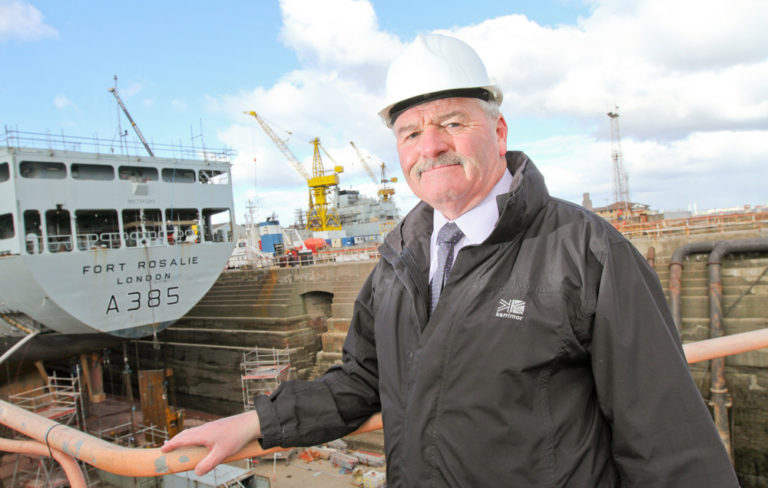
Mersey electrical engineering firm SeaKing is targeting the global shipping sector with a service delivering “green water” systems, in response to major new maritime legislation.
The Birkenhead-based business is officially launching a package delivering survey, installation and maintenance work for ballast water management systems (BWMS).
SeaKing managing director Dave Gillam said ballast water is essential for efficient modern shipping operations, helping to stabilise vessels at sea. The seawater is pumped in and released at various stages of the journey to maintain safe operating conditions.
However, it poses serious ecological, economic and health problems due to the transfer and contamination of marine species (see notes to editors 1). BWMS are designed to reduce the environmental impact of ships as they travel across the seas.
Mr Gillam said the International Maritime Organisation (IMO) is now within striking distance of enforcing a convention making it mandatory for vessels worldwide to carry out ballast water management procedures (see notes to editors 2).
“The spread of invasive marine species is recognised as one of the greatest ecological threats to the planet,” said Mr Gillam. “We have responded to the international movement by becoming experts in BWMS. SeaKing has already installed BWMS on three military ships and we are now keen to expand the service to work with shipyards and ship management companies worldwide. We can survey ships on behalf of owners or operators and compile reports explaining how the systems can be practically installed. Furthermore, we can carry out complete BWMS installation and maintenance work to ensure vessels operate both legally and efficiently.”
The IMO’s Ballast Water Convention is on the cusp of coming into force. It has to be ratified by at least 30 states which must also represent at least 35pc of the world’s merchant shipping tonnage.
In summer 2013, Germany became the 37th flag state to ratify the convention but this decision only took to the total tonnage to 30.32pc, a shortfall of 4.68pc. The convention will come into force 12 months after this 35pc mark has been reached.
“The global maritime industry will soon be obliged to face up to new obligations under the IMO’s convention,” said Mr Gillam. “SeaKing is in a terrific position to provide first class technical support when the new measures come into force. The transfer of marine species within ballast water is causing enormous and irreversible damage to the environment. BWMS uses techniques including ultra-violet light and chemicals to neutralise the effect of the water when it is deposited. These systems are set to play a major role in the future of shipping operations worldwide.”
Notes to editors
1. Ballast water management
Since the introduction of steel hulled vessels around 120 years ago, water has been used as ballast to stabilise vessels at sea. While ballast water is essential for safe and efficient shipping, it may pose serious ecological, economic and health problems due to the multitude of marine species carried in ships ballast water. These include bacteria, microbes, small invertebrates, eggs, cysts and larvae of various species. This transferred species may survive to establish a reproductive population in the host environment, becoming invasive, out-competing native species and multiplying into pest proportions.
2. International Maritime Organisation Ballast Water Convention
The International Maritime Organisation has been at the forefront of an international effort to address the transfer of aquatic invasive species through shipping. In 2004, following more than 14 years of complex negotiations between IMO member states, the International Convention for the Control and Management of Ships’ Ballast Water and Sediments (BWM Convention) was adopted by consensus. The convention will require all ships to implement a Ballast Water and Sediments Management Plan. All ships will have to carry a Ballast Water Record Book and will be required to carry out ballast water management procedures to a given standard.
The convention will enter into force 12 months after ratification by 30 states, representing 35pc of world merchant shipping tonnage. This summer Germany became the 37th flag state to ratify the convention. Germany’s action took total tonnage of states ratifying the treaty to 30.32pc, a shortfall of 4.68pc.
Polaris Media is a specialist maritime, engineering and manufacturing PR agency. For details visit www.polarismedia.co.uk or email ben@polarismediapr.com.